Business
Pizza Using Clay Coyote Pottery
By Katherine Langford
Advertisement · Why this ad?
Katherine oversees editorial operations across all six brands. Before joining The Meridan Group, she spent 14 years at the Minneapolis Star Tribune, where she led the metro desk through its digital transformation. She holds a Master's in Journalism from Northwestern's Medill School.
More from Katherine →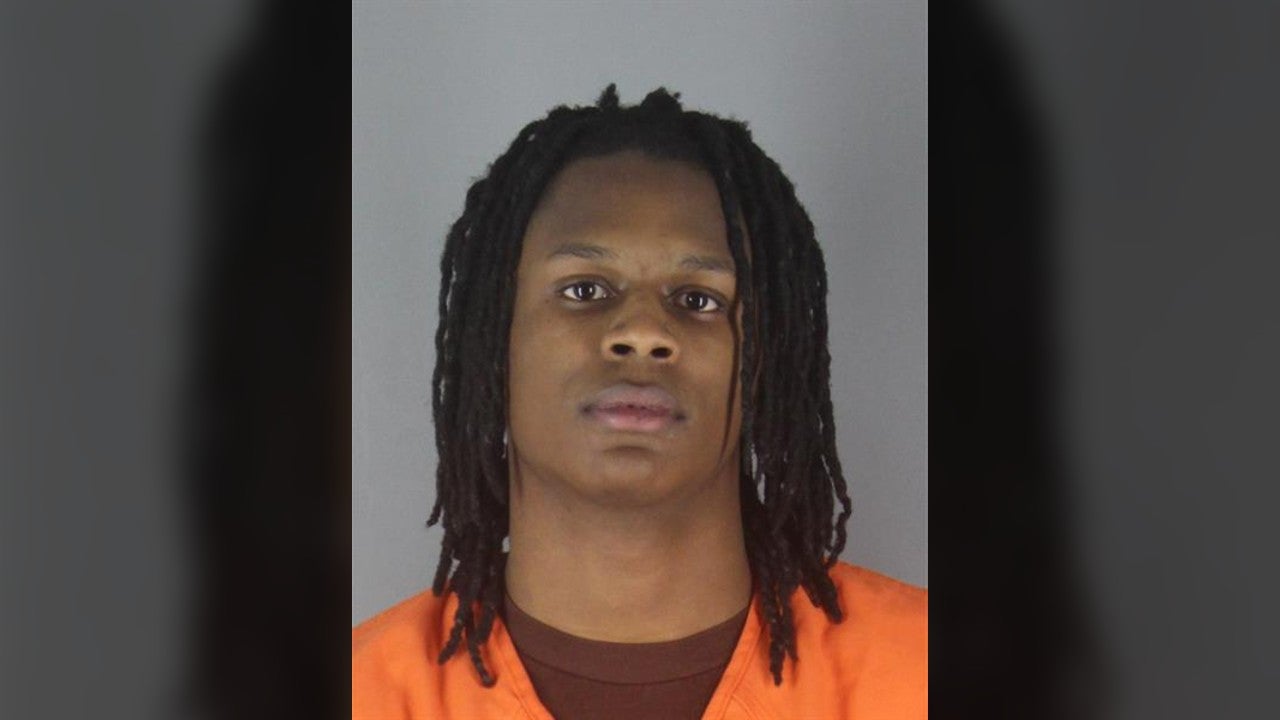
On a quiet Minneapolis street, the echoes of gunfire shattered the early morning calm on July 30, 2023. Just before dawn, 26-year-old Patrick Henderson was shot outside a nightclub, a tragic event that would reverberate through the community and lead to a lengthy prison sentence for his alleged assailant, Marquan Deshaun Tucker. Tucker, a 21-year-old believed to be affiliated with the "Highs" gang, was sentenced to 27 years and five months in prison for aiding and abetting second-degree murder, a decision that underscores the ongoing struggle against gang violence in the city.
Marquan Tucker's involvement in the murder of Patrick Henderson was not merely a random act of violence; it was a calculated crime rooted in gang rivalry. On the fateful morning of July 30, Henderson was shot near the intersection of 26th Avenue and North Second Street. He succumbed to his injuries shortly after, marking yet another tragic chapter in Minneapolis's ongoing fight against gang-related violence.
According to court records, Tucker was not only present at the scene but had also engaged in premeditated actions leading up to the shooting. Investigators uncovered that he had been messaging individuals on Facebook about attending a party at the nightclub where the shooting occurred. His phone records placed him in the vicinity during the critical moments, and he left the scene shortly after Henderson was shot.
The aftermath of the shooting revealed a chilling aspect of Tucker's character. He reportedly screen-recorded a Facebook video of Henderson lying on the ground, complete with captions celebrating the act of violence. This disturbing behavior paints a grim picture of the mindset prevalent among some young individuals involved in gang culture.
The impact of gang violence extends far beyond the individuals directly involved; it ripples through families, neighborhoods, and entire communities. Henderson's death not only robbed his family of a loved one but also left many in Minneapolis grappling with the reality of violence that seems to be escalating. The loss of life, especially among young individuals, raises critical questions about the social fabric of the community and the measures being taken to combat such trends.
Community leaders and residents alike have expressed their concerns regarding the ongoing gang violence in Minneapolis. The sentiment is clear: there is a pressing need for intervention programs that can address the root causes of gang affiliation and violence. Local organizations, such as the City of Minneapolis, are working diligently to provide resources and support for at-risk youth, aiming to break the cycle of violence that has plagued the city.
As Minneapolis grapples with its gang problem, the importance of fostering strong families and community ties cannot be overstated. Initiatives that focus on building stable households and promoting authentic faith can play a vital role in steering young people away from gangs and towards productive paths.
Marquan Tucker's legal journey culminated in a guilty plea earlier this year, where he admitted to aiding and abetting second-degree murder. The court sentenced him to 329 months in prison, which translates to over 27 years. This sentence reflects the gravity of his actions and the judicial system's commitment to addressing gang violence.
In addition to the sentence for Henderson's murder, Tucker faces charges in two other murder cases. One involves the 2022 killing of a man at the Mall of America, where he allegedly trapped the victim by blocking the entrance to a store. The other case pertains to the 2024 shooting of another alleged "Lows" gang member in Brooklyn Park. These additional charges indicate a troubling pattern of behavior that raises concerns about public safety and the effectiveness of current interventions.
The legal outcomes of these cases serve as a reminder of the complex interplay between crime, community, and justice. While the judicial system seeks to hold individuals accountable for their actions, it also highlights the necessity for comprehensive approaches to prevent such violence from occurring in the first place.
The case against Tucker was bolstered by witness accounts and digital evidence. In 2025, investigators spoke with two witnesses who claimed Tucker had admitted to them that he shot Henderson. These admissions, coupled with his digital footprint—such as the Facebook messages and the video celebrating Henderson's death—paint a clear picture of his involvement.
The use of social media as both a tool for communication and a platform for incrimination is increasingly common in criminal cases. In Tucker's situation, his online activity not only provided evidence of his premeditated intentions but also illustrated a disturbing trend among some young individuals who seek validation through violent acts.
These revelations have sparked conversations among community leaders about the role of social media in perpetuating gang culture. With many young people engaging in online platforms, there is a growing need for educational initiatives that can guide them towards positive interactions and discourage harmful behaviors.
As Minneapolis continues to confront its challenges with gang violence, community solutions are paramount. Local organizations, such as the Minneapolis Chamber of Commerce, are working to create programs that foster economic opportunities and provide youth with alternatives to gang involvement. Strengthening family units and promoting authentic faith within the community are essential components of these efforts.
Moreover, collaboration between law enforcement, community organizations, and residents is crucial. Initiatives that encourage open dialogue and community engagement can help build trust and promote safety. Programs aimed at mentoring young people and providing them with positive role models can steer them away from the allure of gang life.
In the face of adversity, the resilience of the Minneapolis community shines through. By prioritizing family, faith, and community cohesion, there is hope for a future where incidents like the murder of Patrick Henderson become less frequent, and families can thrive in a safe and supportive environment.
In conclusion, the sentencing of Marquan Tucker serves as a stark reminder of the ongoing battle against gang violence in Minneapolis. While legal consequences are necessary, they must be accompanied by proactive measures that address the underlying issues contributing to gang affiliation. By fostering strong marriages, intact families, and authentic faith, Minneapolis can pave the way for a brighter, safer future for its youth.