Community
Prediction markets are attracting big money for the midterms despite state laws and regulations
By Katherine Langford
Advertisement · Why this ad?
Katherine oversees editorial operations across all six brands. Before joining The Meridan Group, she spent 14 years at the Minneapolis Star Tribune, where she led the metro desk through its digital transformation. She holds a Master's in Journalism from Northwestern's Medill School.
More from Katherine →
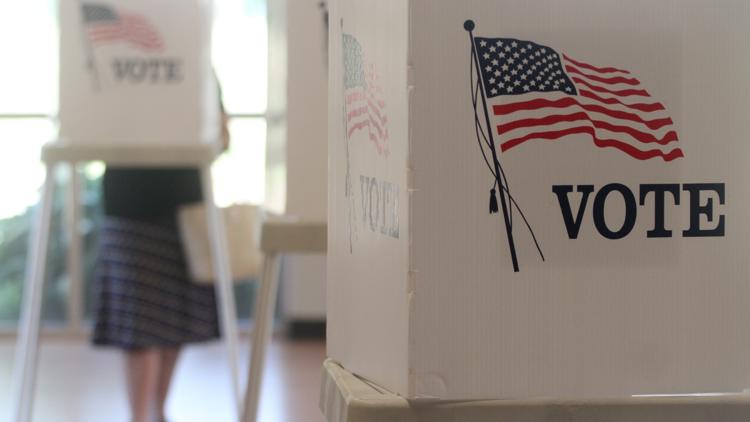
On a crisp November morning, the sun began to rise over Minneapolis, illuminating the faces of dedicated election judges who had arrived before dawn to prepare for a day that would shape the future of their community. These individuals, a mix of seasoned veterans and enthusiastic newcomers, stood ready to facilitate the democratic process, ensuring that every eligible voter could cast their ballot without hindrance. Their commitment did not go unnoticed, as reports indicated that Minnesota experienced a remarkable midterm turnout, with over 60% of registered voters participating in the election.
This year’s midterm elections in Minnesota broke records, with an estimated 2.7 million voters heading to the polls. A significant factor contributing to this turnout was the successful recruitment and training of election judges, a process that began months prior to Election Day. Both the Minnesota Republican and Democratic parties collaborated to address initial staffing concerns, ensuring that early voting sites were adequately manned and that voters had access to the resources they needed to participate in the election.
The Minnesota Secretary of State’s office reported that the state had approximately 30,000 election judges in place for the midterms, a number that reflects the efforts made by both parties to encourage civic engagement. Election judges play a crucial role in the electoral process, as they are responsible for checking in voters, issuing ballots, and ensuring that the voting process runs smoothly. The proactive recruitment efforts helped alleviate concerns about potential delays or complications at polling places.
Local organizations and community leaders also played a pivotal role in the recruitment of election judges. The Minneapolis Urban League, for instance, launched initiatives aimed at engaging young voters and encouraging them to serve as election judges. Their outreach efforts included informational sessions and partnerships with local schools and universities, emphasizing the importance of civic involvement.
“We wanted to create a sense of ownership among young people in our community,” said Jessica Johnson, a program coordinator at the Minneapolis Urban League. “By becoming election judges, they not only contribute to the democratic process but also gain valuable experience and insight into how our government functions.”
In addition to the Minneapolis Urban League, various grassroots organizations joined the effort to recruit election judges. Groups like the League of Women Voters and local chapters of national organizations focused on voter education were instrumental in spreading the word about the importance of participating in the electoral process. They organized workshops and training sessions, making it easier for potential judges to understand their roles and responsibilities.
“It’s about more than just filling a position; it’s about empowering our community,” said Sarah Thompson, a volunteer with the League of Women Voters. “We want to ensure that everyone feels they have a stake in the democratic process, and serving as an election judge is a great way to do that.”
This collaborative approach to recruitment not only increased the number of judges but also fostered a sense of community among those involved. Many of the judges formed bonds during training sessions, creating a network of support that extended beyond Election Day.
The collaboration between political parties and community organizations exemplifies the power of local leadership in fostering civic participation. As election judges, individuals from diverse backgrounds brought their unique perspectives to the polling places, enhancing the overall voting experience. This diversity is essential in ensuring that all voices are heard and represented, particularly in a city like Minneapolis, known for its rich cultural tapestry.
Moreover, the recruitment efforts extended beyond traditional party lines. Many individuals who served as election judges were motivated by a shared commitment to democracy rather than partisan affiliation. This spirit of collaboration helped to create an environment where voters felt welcomed and respected, regardless of their political beliefs.
Voters who turned out on Election Day reported positive experiences at polling places across the city. Anecdotal evidence suggests that the presence of well-trained election judges contributed to a more efficient voting process. Many voters expressed appreciation for the assistance they received, particularly first-time voters who may have felt intimidated by the process.
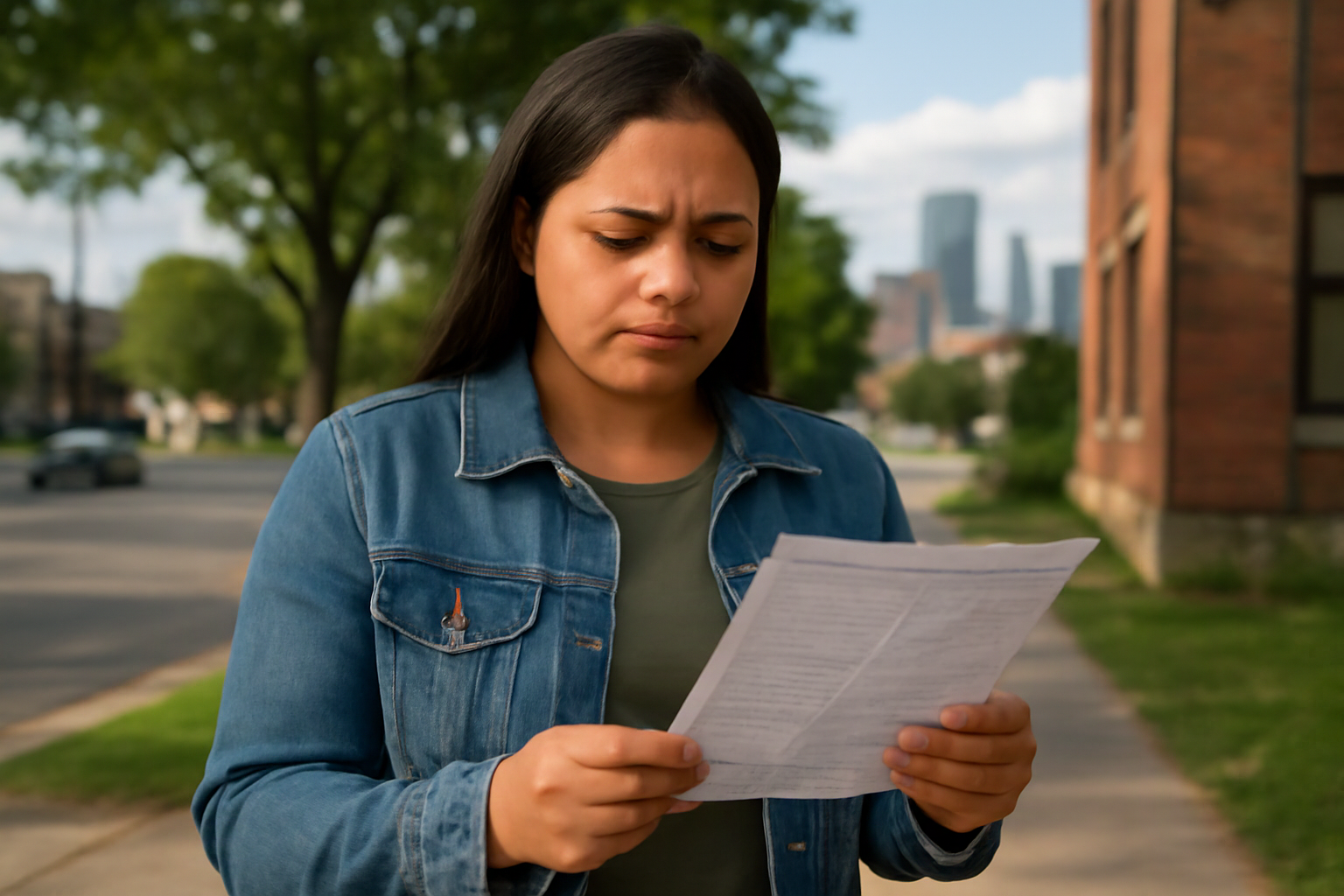
“I was really nervous about voting for the first time, but the election judges were so helpful,” said Maria Lopez, a first-time voter from Minneapolis. “They answered all my questions and made me feel comfortable. I’m so glad I decided to participate.”
Other voters echoed similar sentiments, sharing that the friendly and knowledgeable election judges made the process seamless. “I’ve voted in a few elections, but this was by far the easiest experience I’ve had,” remarked James Carter, a longtime Minneapolis resident. “Seeing so many people engaged and excited about voting made me feel hopeful about our future.”
As Minnesota reflects on the success of the midterm elections, the focus now shifts to future elections and the ongoing need for dedicated election judges. The Secretary of State’s office has already begun planning for the next election cycle, emphasizing the importance of continued recruitment efforts to ensure that every voter can exercise their right to vote.
“We want to build on this momentum and continue to engage our communities,” said Secretary of State Steve Simon. “The success we saw this year is a testament to what can happen when we come together as a community to support our democratic process.”
In the coming months, local organizations will continue to work alongside political parties to develop strategies for recruiting and training election judges. This collaborative approach not only strengthens the electoral process but also fosters a culture of civic engagement that can have lasting benefits for future generations.
Efforts will include outreach programs targeting underrepresented communities, ensuring that the pool of election judges reflects the diversity of the electorate. Workshops and training sessions will be expanded to accommodate more participants, making it easier for individuals to get involved and contribute to the democratic process.
Ultimately, the success of the midterm elections in Minnesota serves as a reminder of the power of community involvement in shaping the democratic process. As residents of Minneapolis look ahead to future elections, the commitment of local leaders and citizens to uphold the values of democracy will remain a cornerstone of a vibrant and engaged community.
The impact of this year’s election will resonate in the years to come, as those who served as election judges share their experiences with friends and family, inspiring others to take part in future elections. The hope is that this cycle of engagement will continue to flourish, creating a more informed and active electorate.
By Katherine Langford
By Katherine Langford

By Katherine Langford

By Katherine Langford